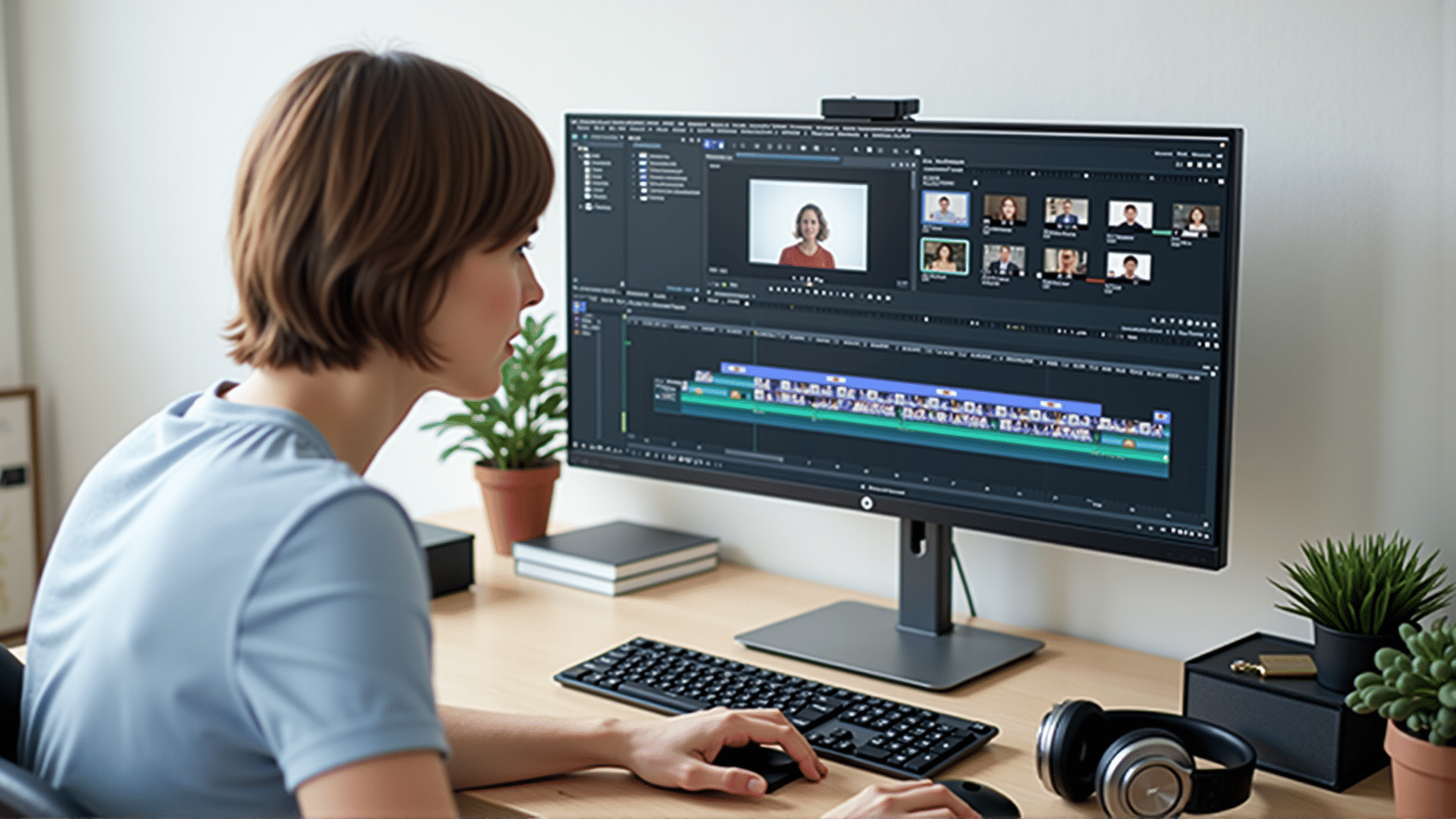
Video editing is a fascinating and multifaceted craft that combines creativity with technical skills. At its core, it involves selecting and assembling video shots into a coherent sequence to convey a story or message. This process is crucial in producing films, television shows, commercials, and even personal projects such as home videos or online content. Whether you're a beginner or looking to refine your skills, understanding the basic elements of video editing can serve as a strong foundation for your creative endeavors.
Cutting
The art of cutting is one of the most fundamental aspects of video editing. It involves deciding where one shot ends and the next begins. The primary goal is to make these transitions as smooth as possible, maintaining continuity and ensuring that the narrative flows seamlessly. This can be achieved by understanding the rhythm of a scene and using your intuition to decide the precise moment a cut should happen.
Transitions
Transitions refer to the way one shot transitions to another. While cutting straight from one scene to another is common, there are various methods to transition between shots. The most frequently used transitions include:
-
Dissolves: This technique involves one shot gradually fading out while the next shot fades in. It can signify the passage of time or a change in location.
-
Fades: Similar to dissolves, fades involve either fading from black to the first shot or fading to black when ending a scene. Fades can be particularly effective at the beginning or end of a sequence.
-
Wipes: This transition features one shot being replaced by another in a directional pattern, such as side-to-side or top-to-bottom. Wipes can lend a dynamic feel but should be used sparingly to avoid distracting the viewer.
Effects
Video effects can significantly enhance the visual storytelling of a production. These effects range from simple color corrections to complex animations. Here are a few basic effects to consider:
-
Color Correction: Adjusting the colors in a video can help set the mood of a scene, create visual consistency across shots, or correct issues caused by lighting during filming.
-
Slow Motion: This effect is used to emphasize a particular moment by playing it at a reduced speed. It can add drama or highlight action details.
-
Montages: Montages are sequences of short shots edited together. They can effectively condense time, covering a lot of action or illustrating a character’s development in a brief period.
Conclusion
Mastering the basics of video editing can be an incredibly rewarding endeavor. By understanding how to effectively use cutting, transitions, and effects, you’ll be better equipped to create engaging and polished videos. These core skills will serve as the groundwork for exploring more advanced techniques and developing your distinctive editing style. Whether you aim to tell compelling stories, create video essays, or capture precious memories, a foundational knowledge of video editing is invaluable.